Navigating Authorization Protocols for Live Interaction Features in Portable Casino Platforms
Paul Reed · Sep 9, 2026
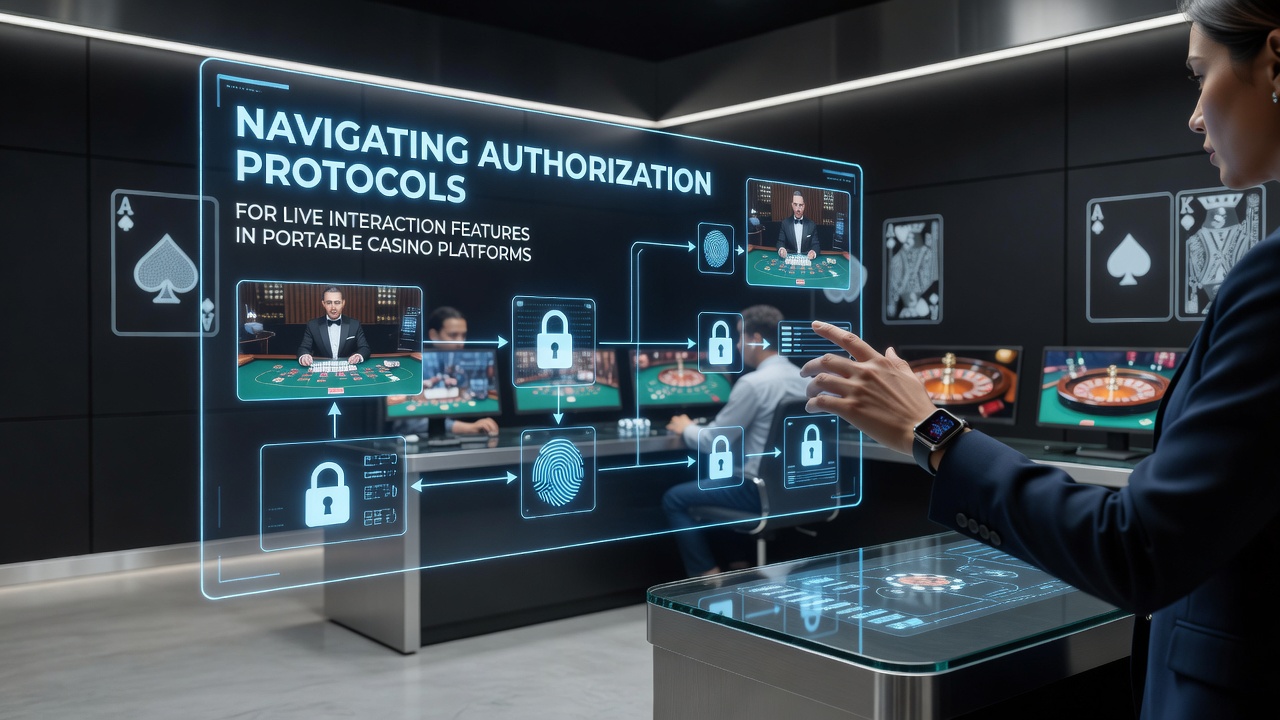
Navigating Authorization Protocols for Live Interaction Features in Portable Casino Platforms
Authorization protocols form the backbone of secure live interaction features in portable casino platforms, where real-time chat, video streams, and player-to-dealer exchanges demand layered verification systems that comply with evolving regulatory frameworks. Developers integrate these protocols to manage user sessions across mobile devices while maintaining data integrity during high-volume interactions that occur daily in global markets. Research from industry reports indicates that platforms handling live dealer games process millions of authorization requests per hour, which requires efficient token management and session controls to prevent unauthorized access.
Core Components of Authorization Systems
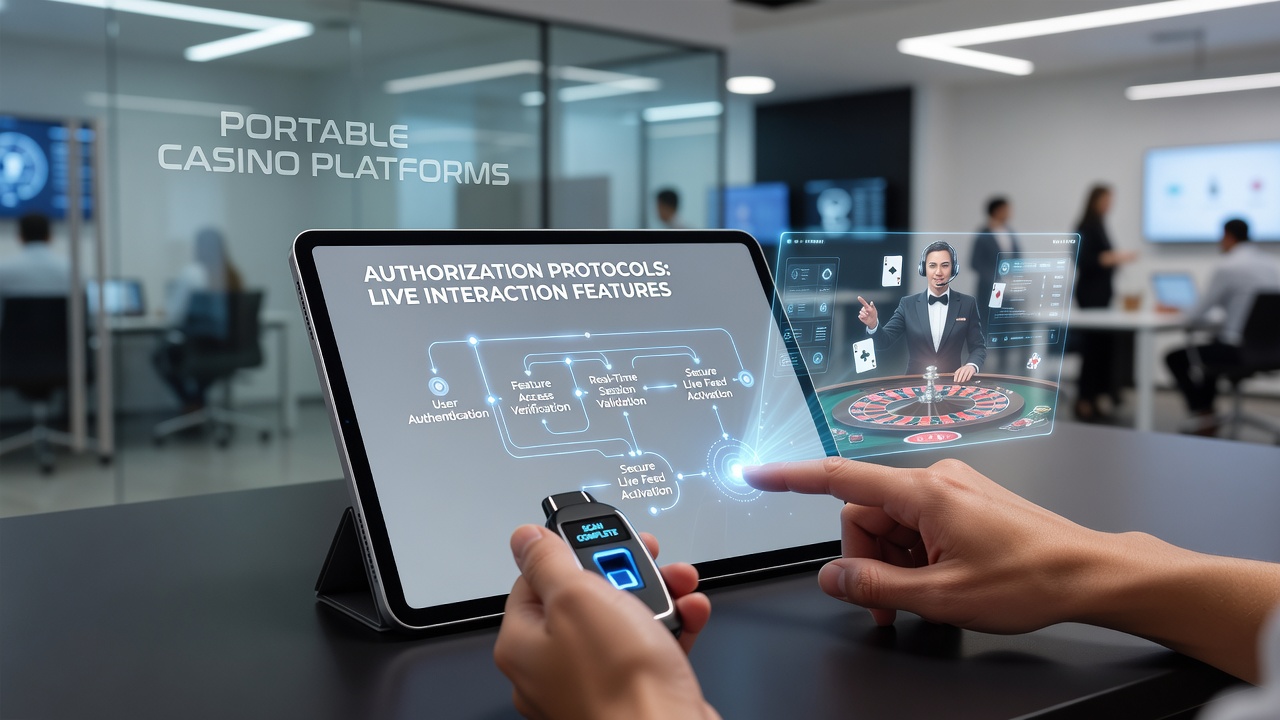
Modern portable casino applications rely on standards such as OAuth 2.0 combined with JSON Web Tokens to grant scoped permissions for live features, allowing users to engage in chat or place bets without exposing full account credentials. These systems separate authentication from authorization so that once a player logs in, subsequent interactions receive time-limited access tokens that rotate automatically during active sessions. Data from regulatory filings shows that platforms adopting these methods reduce session hijacking incidents by significant margins compared with older cookie-based approaches.
Biometric elements often layer on top of token systems in portable environments, where fingerprint or facial recognition triggers re-authorization for sensitive actions like withdrawing winnings during a live game. Observers note that this combination meets requirements from bodies including the Nevada Gaming Control Board and Australian state regulators, which mandate continuous verification for interactive gambling services. Implementation varies by jurisdiction, yet the underlying architecture emphasizes revocable permissions that operators can adjust in response to detected anomalies.
Regulatory Compliance Across Regions
European operators align authorization flows with GDPR and eIDAS standards, which demand explicit consent mechanisms before enabling live video or chat modules in casino apps. Platforms must log every authorization event with timestamps and device identifiers to support audits, a practice that became more stringent following updates scheduled for September 2026 in several EU member states. Those who study compliance patterns report that portable platforms now embed consent banners directly into live interaction screens to capture user agreement in real time.
North American markets follow different trajectories, with Canadian provinces like Ontario requiring iGaming operators to integrate multi-factor authorization for all live dealer sessions. Figures from provincial oversight agencies reveal that such mandates correlate with lower rates of account takeovers, prompting developers to adopt adaptive risk scoring that adjusts token lifetimes based on user behavior patterns. This approach connects directly to broader efforts in data protection while supporting seamless gameplay across tablets and smartphones.
Technical Implementation Challenges
Integrating live interaction features introduces latency concerns because each authorization check must complete within milliseconds to avoid disrupting video feeds or chat responsiveness. Engineers address this by deploying edge computing nodes that handle token validation closer to the user device, reducing round-trip times while preserving encryption standards. Studies on mobile network performance indicate that optimized protocols maintain sub-100-millisecond response rates even during peak evening hours when live tables experience highest traffic.
Cross-device synchronization presents another layer of complexity, since players often switch between phones and tablets mid-session. Authorization servers maintain centralized session states that propagate updates across all active devices, ensuring that revoking access on one platform immediately terminates interactions elsewhere. Industry analyses highlight cases where inadequate synchronization led to brief windows of vulnerability, prompting widespread adoption of distributed ledger techniques for immutable audit trails in some jurisdictions.
Future Developments and Standards
Emerging specifications aim to standardize authorization for live features across portable platforms, with working groups examining extensions to existing OAuth frameworks that incorporate device attestation and behavioral analytics. Reports from research institutions project that by late 2026 these enhancements will become baseline requirements in multiple markets, driven by rising volumes of real-time player engagement. Operators who monitor these shifts prepare infrastructure upgrades well in advance to avoid service interruptions during transition periods.
Conclusion
Authorization protocols continue to evolve alongside portable casino technology, balancing security demands with the need for fluid live interactions. Regulatory bodies in varied regions enforce consistent verification practices that shape how platforms design token flows and biometric checks. Technical solutions such as edge validation and session synchronization address practical constraints, while upcoming standards signal further refinements expected around September 2026. These elements collectively support reliable operation of live features without compromising compliance or performance metrics.