How Licensing Standards Shape Secure Payment Integration for Mobile Slot Features Across Jurisdictions
Logan Vogel · Aug 22, 2026
How Licensing Standards Shape Secure Payment Integration for Mobile Slot Features Across Jurisdictions
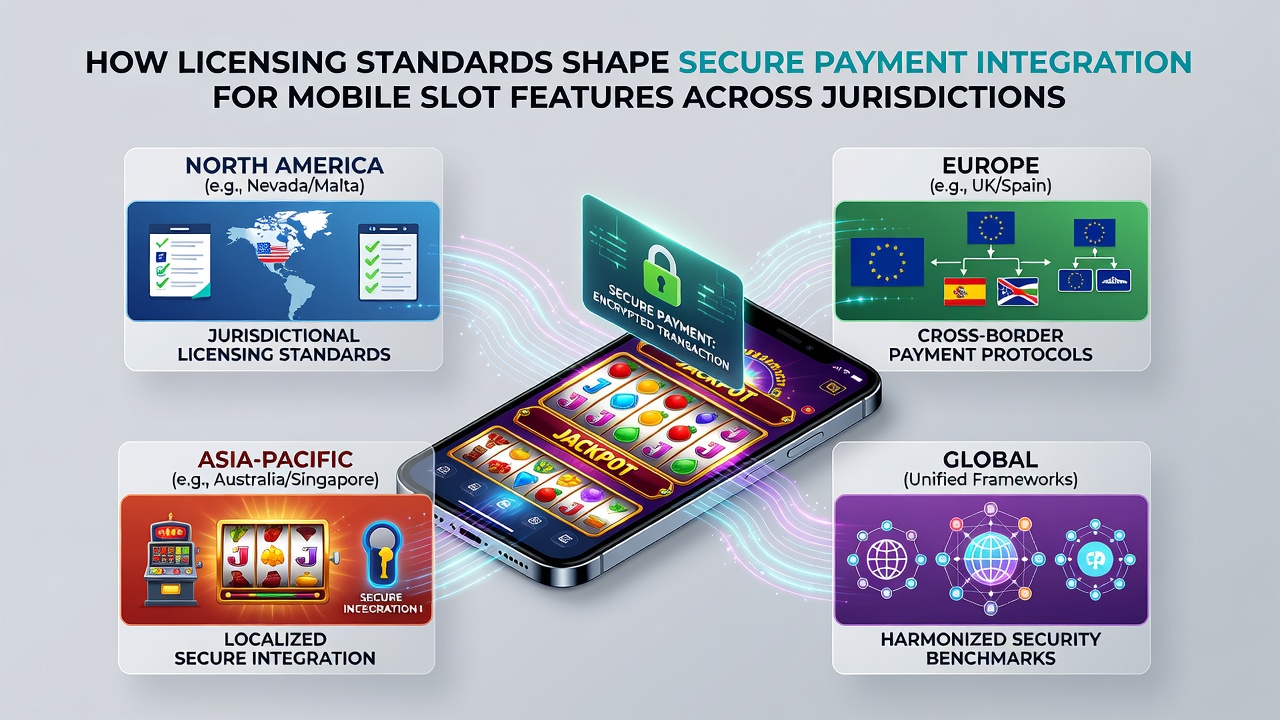
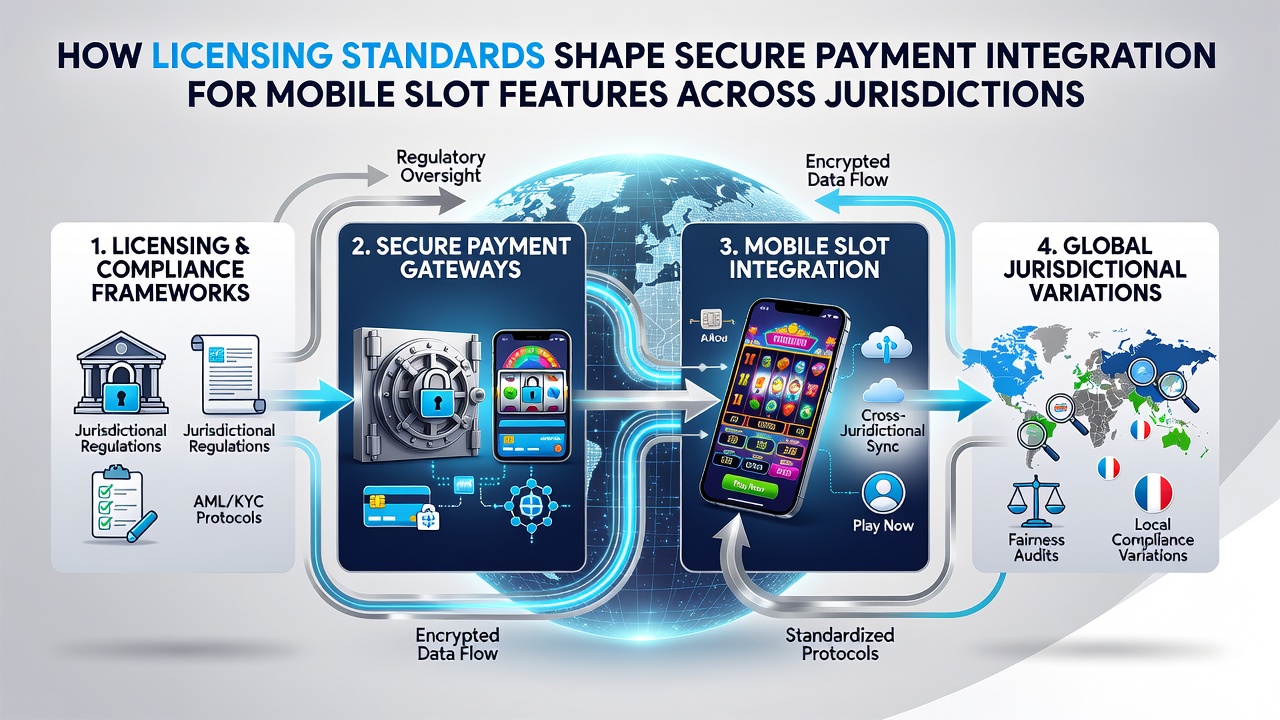
Licensing standards across multiple jurisdictions establish the technical requirements that operators must meet when integrating payment systems into mobile slot features, and these rules often determine which transaction methods receive approval while dictating security protocols such as encryption levels and data storage practices. Research from industry reports shows that operators adapt their mobile platforms to comply with local mandates before launching slot games that accept real-money wagers, which means payment gateways undergo testing for compliance with standards like PCI-DSS alongside jurisdiction-specific authentication layers.
Payment Requirements in North American Markets
Operators in New Jersey must align mobile slot payment integrations with guidelines from the Division of Gaming Enforcement, which mandates real-time verification processes and limits certain funding sources to approved banking channels, while similar frameworks in Nevada require additional layers of transaction logging that feed directly into state oversight systems. Data from regulatory filings indicates that these controls reduce unauthorized access attempts in mobile environments, and developers incorporate geofencing technology to ensure payments originate only within permitted boundaries before any slot feature activates.
Ontario's Alcohol and Gaming Commission applies rules that emphasize secure tokenization for recurring deposits in mobile slot applications, and this approach allows operators to maintain session continuity without storing sensitive card details on user devices. Figures from compliance audits reveal that such token-based systems have become standard since broader iGaming legalization took effect, and they support features like one-tap spins by routing charges through pre-approved financial institutions rather than direct wallet links.
European Frameworks and Mobile Adaptations
The Malta Gaming Authority sets benchmarks for payment integration that extend across several EU member states, requiring mobile slot platforms to implement two-factor authentication on every transaction above a defined threshold and to maintain audit trails that regulators can access within specified timeframes. Studies conducted by European gaming associations show that these standards encourage the adoption of open banking protocols in mobile apps, which in turn supports faster deposit confirmations for slot gameplay without compromising traceability.
Germany's interstate treaty on gambling imposes stricter separation between payment processors and game providers, which forces mobile slot operators to route all financial activity through licensed third parties that undergo independent security assessments on an annual basis. Observers note that this separation has led to the integration of specialized APIs designed to handle currency conversion and tax withholding automatically during each session, and the result appears in smoother cross-border play for users who travel within the regulated zone.
Standards Emerging in Other Regions
Australian state regulators coordinate on rules that govern mobile slot payments through centralized testing facilities, and these facilities evaluate encryption strength plus user fund segregation before any new feature receives clearance. Reports from the Australian Communications and Media Authority highlight that operators must demonstrate resilience against common mobile threats such as malware injection, which leads developers to embed device-level checks that run silently during payment authorization for slot spins.
Updates scheduled for August 2026 in several Canadian provinces will introduce mandatory biometric confirmation for high-value mobile transactions, and this change builds on existing licensing conditions that already require operators to monitor transaction patterns for signs of problem gambling. Industry data indicates that early adoption of similar biometric tools in other markets has correlated with reduced chargeback rates, while still preserving the seamless experience users expect from slot applications on smartphones and tablets.
Technical Implementation Across Borders
Secure payment integration for mobile slots often relies on modular code bases that operators customize to meet each jurisdiction's unique demands, and this modularity allows the same core slot engine to interface with different payment rails without rebuilding the entire application. Research indicates that companies maintaining separate compliance teams for each market achieve faster approval times when introducing new features such as bonus buy options or progressive jackpot contributions funded through in-app purchases.
Case examples from operators active in multiple regions demonstrate that unified dashboards track compliance metrics in real time, and these tools alert teams when a payment method begins to fall outside permitted parameters in any given jurisdiction. The ball remains in the operators' court to update their systems promptly, and failure to do so can result in license suspension that halts all mobile slot activity until remediation occurs.
Conclusion
Licensing standards continue to drive the evolution of secure payment methods available within mobile slot features, and the variations across jurisdictions create a landscape where operators invest heavily in adaptable technology stacks. Data from multiple regulatory bodies shows that these investments support both player protection and market growth when implemented consistently, and ongoing harmonization efforts may reduce some of the current fragmentation by the end of the decade.