Exploring Intersections of Regional Licensing Frameworks and Adaptive Strategies for Digital Wallet Selection in Interactive Reel Environments
Logan Vogel · Oct 21, 2026

Exploring Intersections of Regional Licensing Frameworks and Adaptive Strategies for Digital Wallet Selection in Interactive Reel Environments
Regional licensing frameworks shape how operators select digital wallets for interactive reel environments, where real-time mechanics meet mobile payment flows, and data from multiple jurisdictions shows operators adjusting their choices to satisfy varying compliance rules. Studies conducted across Europe and North America reveal that wallet providers must demonstrate encryption standards and transaction logging that align with each area's specific mandates, while operators weigh these requirements against user accessibility metrics collected through platform analytics.
Mapping Licensing Variations Across Key Markets
European Union member states enforce the Fifth Anti-Money Laundering Directive alongside national gaming statutes, which require digital wallets to support verifiable source-of-funds checks before integration into reel platforms, whereas several U.S. states maintain separate standards that emphasize geofencing and age-verification protocols tied directly to wallet authentication layers. Observers note that these differences force operators to maintain parallel wallet integrations, with one system handling EU-mandated reporting and another satisfying state-level data retention periods that extend up to seven years in certain jurisdictions.
Canadian provinces such as Ontario apply the Alcohol and Gaming Commission of Ontario guidelines, which link wallet selection to responsible gaming tools that cap session deposits automatically, and Australian regulators under the Interactive Gambling Act impose additional restrictions on cryptocurrency-backed wallets that operators must navigate through third-party audits completed before October 2026 compliance deadlines. Those who've examined cross-border data flows highlight how these layered rules create adaptive pressure points where wallet vendors update their APIs to accommodate jurisdiction-specific triggers for transaction monitoring.
Adaptive Strategies Operators Deploy for Wallet Integration
Operators respond by building modular wallet frameworks that allow quick swaps between providers when licensing conditions shift, and research indicates this flexibility reduces downtime during regulatory updates because pre-certified modules already meet core security benchmarks across multiple regions. Companies often conduct internal audits every quarter to verify that selected wallets maintain compatibility with evolving reel environment features such as live bonus triggers and synchronized multiplayer spins, which demand near-instant settlement times without breaching latency thresholds set by licensing bodies.
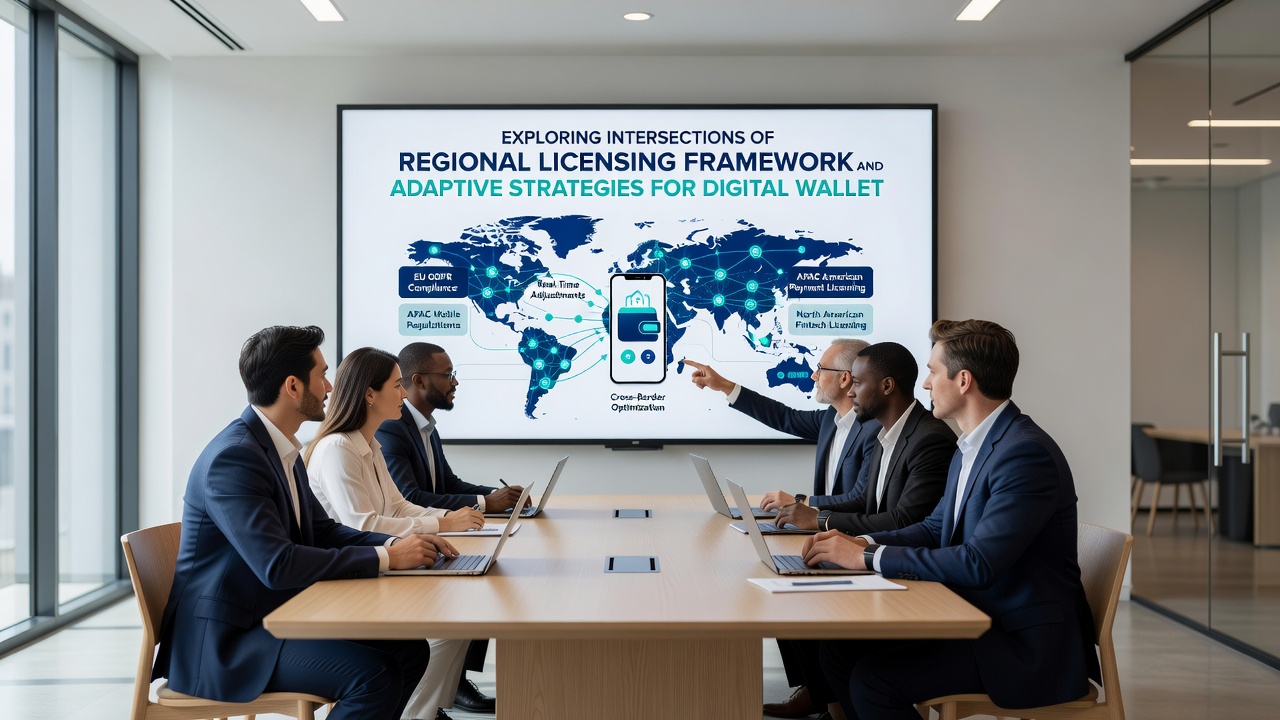
One documented case involves a platform that switched from a single global wallet to region-specific providers after Malta-based licensing reviews identified gaps in real-time fraud detection, and subsequent adjustments allowed the operator to restore full functionality within weeks while preserving user deposit patterns tracked through internal dashboards. Data shows that such switches typically involve mapping each wallet's compliance score against a matrix of licensing criteria, including KYC automation levels and cross-border transfer limits, before final selection occurs.
Technical Intersections Between Licensing and Reel Mechanics
Interactive reel environments require wallets that process micro-transactions during bonus rounds without interrupting gameplay flow, and licensing frameworks in several markets now mandate that these transactions carry audit trails accessible to regulators within 24 hours of request. Experts tracking platform performance report that wallets lacking built-in support for these trails face exclusion from markets where authorities conduct routine compliance sweeps, prompting developers to embed API hooks that generate standardized reports matching each jurisdiction's format. What's interesting is how these technical demands intersect with user experience goals, because delays introduced by extra verification steps can reduce session lengths according to aggregated telemetry from multiple operators.
Research from industry associations indicates that operators who prioritize wallets with configurable compliance modules achieve faster market entry in new regions, since the same core system can toggle features like mandatory cooling-off periods or deposit frequency caps without requiring separate code branches for each license. Those monitoring October 2026 timelines note that several Asian markets are finalizing updated digital payment rules that will further test these modular approaches, particularly around integration with local banking rails that differ from Western systems.
Future Alignment of Frameworks and Selection Processes
Analysts project continued convergence in certain technical standards, such as encryption minimums and data portability requirements, even as regional differences persist in consumer protection emphasis, and operators who maintain active dialogue with multiple licensing authorities gain advance notice of impending changes that affect wallet viability. Evidence from platform migration logs demonstrates that proactive strategy adjustments, including preemptive testing of alternative wallets, correlate with sustained user retention rates across borders where regulatory shifts occur regularly.
Conclusion
The interplay between regional licensing frameworks and digital wallet selection continues to define operational choices in interactive reel environments, with operators relying on modular systems and ongoing compliance monitoring to navigate these intersections effectively. Available data from regulatory reports and platform studies underscores the necessity of adaptive approaches that balance technical performance with jurisdiction-specific mandates, ensuring seamless functionality while meeting evolving requirements across global markets.